Lithium Geopolitics Explained: Why Everyone Wants the White Gold

Learning Science Writer
Last updated: August 2026
9 min read

TL;DR
Lithium matters because rechargeable batteries made it essential. It comes mainly from two sources: brine beneath the salt flats of the South American lithium triangle (Chile, Argentina, Bolivia) and hard rock mines, above all in Australia. But leverage comes less from deposits than from processing: refining is concentrated in a small number of countries. The pattern is old. Like salt, spices and oil, a resource gains power when technology makes it indispensable, and loses some when substitution and recycling arrive.
For most of the twentieth century, lithium was a modest industrial material, used in ceramics, glass, lubricating greases and some medicines. Then rechargeable lithium-ion batteries moved from laptops and phones into cars and power grids, and a light, silvery metal became one of the most discussed resources on the planet.
This explainer sets out the structure behind that attention: what lithium does, where it is found, how it is turned into something useful, and why the map of power looks different from the map of deposits.
What lithium is for
Lithium is the lightest metal and gives up electrons readily, which makes it ideal for storing a lot of energy in a small, light package. Lithium-ion batteries power phones, laptops, electric vehicles and a growing share of grid storage. Batteries now account for the large majority of lithium demand, which is the core reason its importance rose so quickly.
Where it comes from
There are two main kinds of supply, and they behave differently.
| Source | Main locations | How it works |
|---|---|---|
| Brine | Salt flats of Chile, Argentina and Bolivia | Lithium-rich water is pumped into ponds and concentrated by solar evaporation over many months |
| Hard rock | Australia above all, also China, Zimbabwe, Brazil and others | Minerals such as spodumene are mined, crushed and concentrated, then shipped for chemical processing |
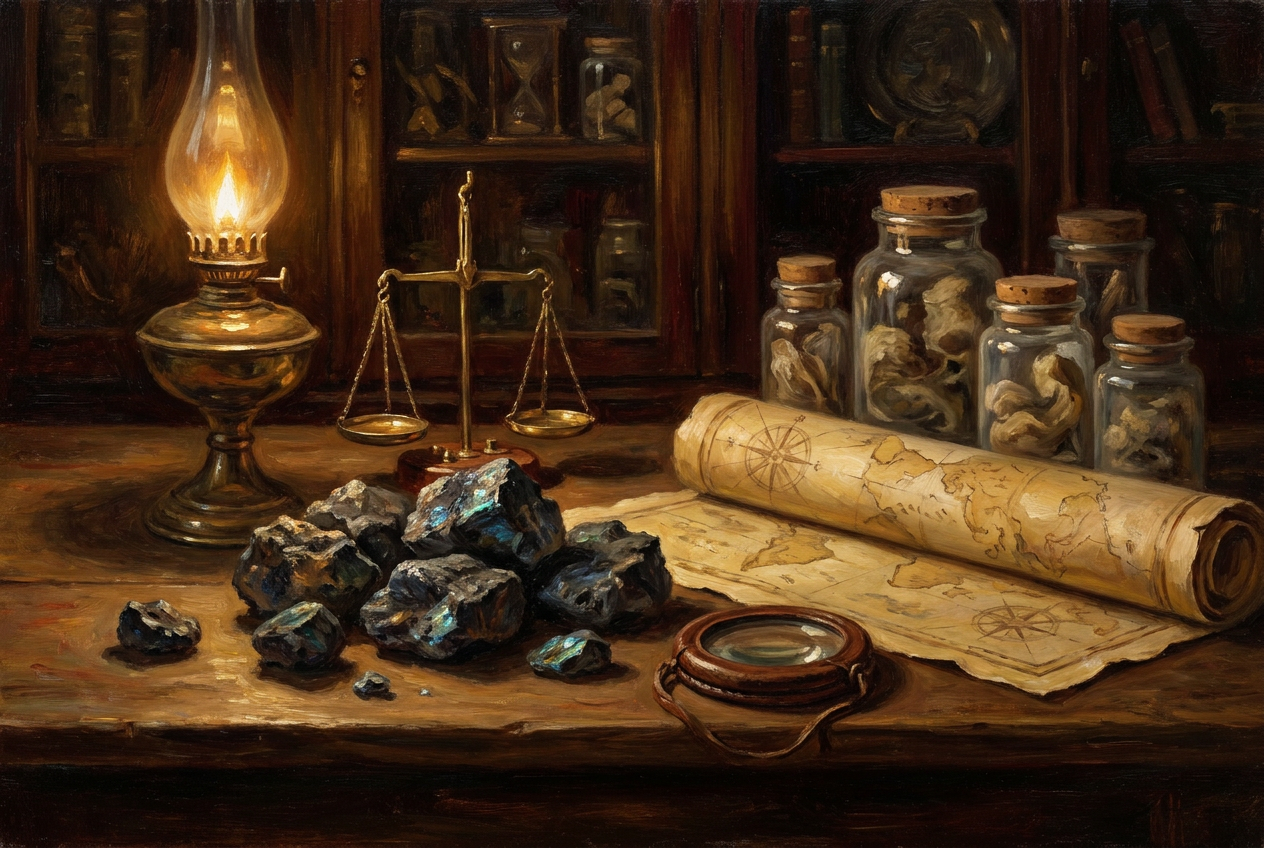
The high Andean salt flats of the so-called lithium triangle hold a large share of the world's identified resources. Australia, meanwhile, has long been a leading producer by volume from hard rock mines. Brine tends to be cheaper to operate but slow and water-intensive in arid regions; hard rock is faster to scale but more energy-intensive to process.
Deposits are not an industry
The most important structural point is that having lithium in the ground is not the same as having a lithium industry. Mined concentrate and brine must be refined into battery-grade chemicals such as lithium carbonate or lithium hydroxide, then made into cathodes, then cells, then battery packs.
Each step needs capital, expertise, chemicals, energy and customers. Much of the world's refining capacity is concentrated in a small number of countries, with China holding a very large share. That means a great deal of lithium mined in Australia or South America travels across oceans to be processed before it enters a battery.
The same pattern appears in rare earths and in semiconductors: the processing chokepoint, not the raw material, is where leverage concentrates.
Supply chains and chokepoints
A supply chain is only as flexible as its narrowest stage. Mines can take many years to permit and build, and refineries require specialized know-how. When one stage is concentrated in a few places, disruptions there, whether from accidents, policy changes or price swings, ripple out to everyone downstream.
Lithium prices have also proven volatile, swinging sharply in both directions within a few years. Booms encourage new mines and refineries; the busts that follow can shut them down. That cycle is typical of commodities whose demand grows faster than supply can adjust.
Different national approaches
Producing countries have chosen different models, which is part of what makes lithium an instructive case. Some rely mainly on private concessions and export raw or partly processed material. Others emphasize state participation or aim to capture more of the value chain at home by requiring local processing. Importing regions, meanwhile, often seek to diversify suppliers and build domestic refining.
Each approach involves trade-offs between speed, investment, local benefit, environmental protection and control. Water use in desert regions, the rights of local and Indigenous communities, and the energy footprint of processing are recurring considerations wherever lithium is produced.
Why reserves and production tell different stories
Headlines often list which countries hold the most lithium, but those rankings can mislead. Geologists distinguish between resources, meaning lithium known to exist in the ground, and reserves, meaning the portion that can be extracted profitably with current technology and prices. A country can have enormous resources and modest production, because turning rock or brine into battery grade chemicals depends on infrastructure, water, energy, permits, capital and skilled workers.
Reserve estimates also move. When prices rise, deposits that were uneconomic become worth developing, and reserves grow on paper overnight. When new extraction techniques mature, the same thing happens. That is why a snapshot of today's rankings says less about the future than the capacity to build and run the industry around the deposits.
For readers following the news, a useful habit is to ask which stage a story is actually about: geology, mining, refining, cell manufacturing or recycling. Each stage has different leaders, different timelines and different risks, and treating them as one thing is where most confusion about lithium begins.
Timelines matter most of all. A newly discovered deposit can take many years to move through exploration, permitting, financing and construction before it produces anything. Refineries and cathode plants face their own long lead times. Policy decisions made today therefore shape supply years from now, which is why governments and companies argue so intensely about lithium long before any new material reaches a battery factory.
An old pattern in a new metal
History offers a clear template. Salt mattered enormously when it was the only way to preserve food. Spices drove oceanic exploration when they were scarce and prized. Oil reshaped the twentieth century once engines needed it. In each case a resource became powerful because a technology made it essential, and whoever controlled the scarce stage of supply gained leverage.
Similar dynamics shape other inputs of modern life, including the fertilizer that underpins food production.
How any resource's power erodes
- Substitution: alternative chemistries, such as sodium-ion batteries, can replace lithium in some uses where weight matters less.
- Efficiency: better battery designs can deliver more energy per unit of material.
- Recycling: as early generations of batteries retire, recovered lithium becomes a growing secondary supply.
- New supply: exploration, new extraction methods such as direct lithium extraction from brine, and new refineries spread production more widely.
Refrigeration ended salt's monopoly. Synthetic alternatives and new routes eroded the spice trade. Lithium's position will likely follow the same arc: essential while its technology dominates, less decisive as alternatives mature. If you enjoy tracing these long patterns, MindSnap, which is our app, covers resources and trade among its unlimited topics.
A resource is not powerful because it exists. It becomes powerful when a technology cannot run without it.
Frequently asked questions

One snap tomorrow morning.
Two minutes in art, history, psychology, philosophy or economics, then the app tells you you're done.
Get MindSnap on iOSFree daily fact, forever. Pro is $9.99/month or $44.99/year.