7 Animals That Quietly Changed History

Curiosity Columnist
Last updated: August 2026
7 min read

TL;DR
History books are full of kings and generals, but some of the biggest shifts were driven by animals. The horse made fast empires possible. The silkworm built a trade network and inspired one of history's great smuggling stories. Pigeons carried news before the telegraph. Fleas on rats helped spread the Black Death. Beaver hats pushed explorers across North America. Cod and herring built port cities and trade leagues. Camels opened the Sahara and Arabian deserts to long-distance trade.
We like to tell history as a story about people. Somebody decided, somebody conquered, somebody invented. But behind a surprising number of turning points there is an animal doing the heavy lifting, often without anyone writing it down.
Here are seven creatures that quietly rearranged the human story. None of them asked to.
1. The horse: the engine of empires
Horses were domesticated on the Eurasian steppe several thousand years ago, and once people learned to ride and harness them, distance shrank. A message, an army or a trader could suddenly move several times faster than on foot.
The surprising hook: the stirrup, a small loop of metal, may matter as much as the horse itself. Spreading from Asia over centuries, it gave riders a far more stable seat. Mounted steppe peoples, most famously the Mongols in the thirteenth century, used horses to build one of the largest land empires ever, with relay stations of fresh mounts carrying messages across a continent.
2. The silkworm: a caterpillar that built a road
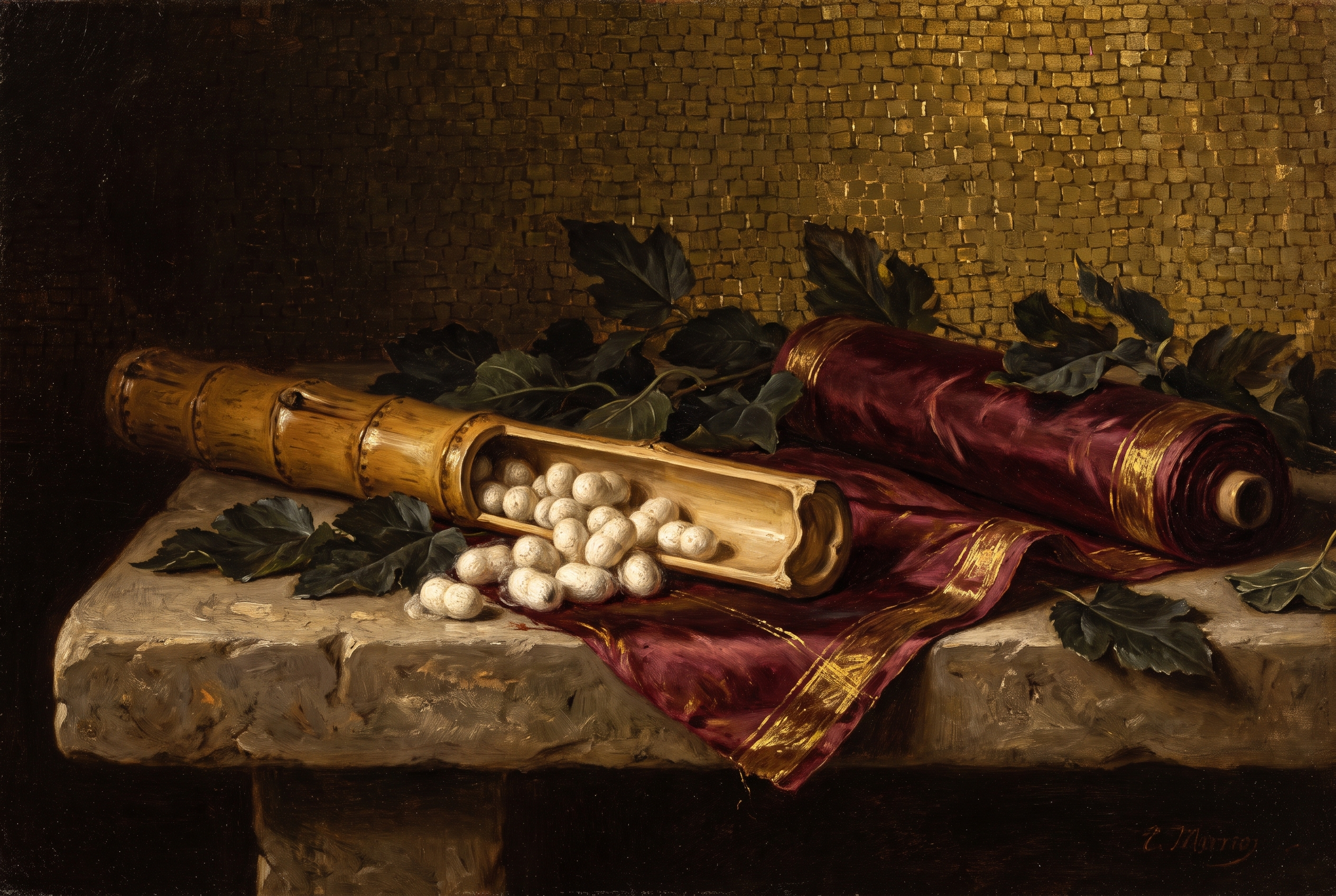
Silk comes from the cocoon of the domesticated silk moth caterpillar, which feeds on mulberry leaves. For a long time China guarded the secret of how it was made, and the cloth was so prized abroad that the overland trade routes linking China to the Mediterranean later earned the name Silk Road.
The surprising hook: according to the Byzantine historian Procopius, monks smuggled silkworm eggs to Constantinople in the sixth century, reportedly hidden inside hollow canes. The full caper is in how silk was smuggled out of China. One small theft, and a monopoly ended.
3. The carrier pigeon: the original instant message
Homing pigeons can find their way back to their home loft over long distances, and people have used that instinct for messages since ancient times. Before the telegraph, a pigeon was often the fastest way to move news.
The surprising hook: pigeons carried messages during the Siege of Paris in 1870 and 1871, with letters photographed onto tiny films so a single bird could carry a great many. In the First World War, a pigeon named Cher Ami was credited with helping save a trapped American battalion and was decorated for it.
4. The rat flea: tiny, deadly, decisive
When the Black Death swept through Europe in the late 1340s, it killed a huge share of the population, with common estimates ranging from a third to around half in many areas. The bacterium responsible, Yersinia pestis, is classically spread by fleas that live on rats.
The surprising hook: historians still debate how much was rat fleas and how much was spread directly between people, possibly through human fleas and lice. Either way, the aftermath reshaped Europe: labour became scarce, wages rose in many places and old social arrangements cracked. That story is told in how the Black Death changed Europe.
5. The beaver: the hat that mapped a continent
From the late sixteenth century onwards, felt hats made from beaver fur became fashionable in Europe. Beaver fur felts exceptionally well, and European beavers had already been heavily hunted. Demand turned to North America.
The surprising hook: a fashion accessory drove exploration. The fur trade pushed traders and trappers deep into the interior of the continent, forged alliances and rivalries with Indigenous nations, and led to the founding of the Hudson's Bay Company in 1670. Many routes later used by settlers were first followed in search of beaver.
6. Cod and herring: fish that built cities
Salted and dried fish kept for months, which made it one of the great trade goods of medieval and early modern Europe. Herring fisheries in the Baltic and North Sea helped make port towns rich, and they were part of the trade that powered the Hanseatic League, a network of merchant towns across northern Europe.
The surprising hook: dried cod could travel almost anywhere, which helped fuel long Atlantic voyages. The rich fishing grounds off Newfoundland drew European fleets across the ocean, and fish fed sailors and markets for centuries. Wealth in a lot of northern harbours was, quite literally, built on salt and scales.
7. The camel: the ship of the desert
Camels can travel long distances while drinking rarely, carry heavy loads and cope with heat that would defeat horses. Once domesticated, they opened routes across Arabia and later the Sahara that had been nearly impossible to cross regularly.
The surprising hook: camel caravans linked West African kingdoms to North Africa and the Mediterranean, carrying gold, salt and much more. That trade helped make cities like Timbuktu wealthy centres of commerce and scholarship. A desert that once separated worlds became a road between them.
Honourable mentions
Seven is a tidy number, and plenty of animals missed the cut. Cattle, sheep and goats underpinned farming societies for millennia, and close contact with livestock is thought to have helped some diseases jump to humans. Dogs were probably the first domesticated animal of all, helping with hunting and herding long before farming began. Mosquitoes spread malaria and yellow fever, which shaped colonial ventures and wars, including the difficult French attempt to dig a canal across Panama. The cochineal insect, crushed into a brilliant red dye, became a valuable export from the Americas. Each would make its own list, and arguably its own book.
A quick recap
| Animal | What it changed |
|---|---|
| Horse | Speed of war, messages and empires |
| Silkworm | Long-distance luxury trade |
| Carrier pigeon | Communication before the telegraph |
| Rat flea | Spread of the Black Death |
| Beaver | Exploration of North America |
| Cod and herring | Port cities and trade leagues |
| Camel | Trade across desert routes |
What these stories have in common
- Small causes, huge effects. A cocoon, a hat fashion, a flea.
- Animals shaped where people went, not just what they did.
- Many changes were noticed only afterwards, which is why they feel quiet.
- Each one makes a great story, which is exactly why it sticks.
If you like history from this angle, try Turning Points, where you stand at a real historical crossroads and make the call before finding out what happened. Disclosure: Turning Points is part of MindSnap, which is our app. It tells one small story a day in about two minutes, across five flagship story-driven collections plus unlimited topics, so a fact like the smuggled silkworm eggs becomes something you actually remember. One creature, one story, one day at a time.
Empires get the headlines. Sometimes the footnote is a caterpillar.
Frequently asked questions
One snap tomorrow morning.
Two minutes in art, history, psychology, philosophy or economics, then the app tells you you're done.
Get MindSnap on iOSFree daily fact, forever. Pro is $9.99/month or $44.99/year.