The Pomodoro Technique Explained: Why 25 Minutes Works

Psychology & Habits Writer
Last updated: August 2026
9 min read
TL;DR
The Pomodoro Technique is 25 minutes of single-task work, a short break, and a longer break after four rounds. Its power is not the number 25, it is that the timer makes starting cheap, bounds the effort so the task stops feeling infinite, and enforces breaks before fatigue and attention residue pile up. It fails when people treat it as a rule rather than a scaffold, and it is the wrong tool for work that needs long uninterrupted flow.
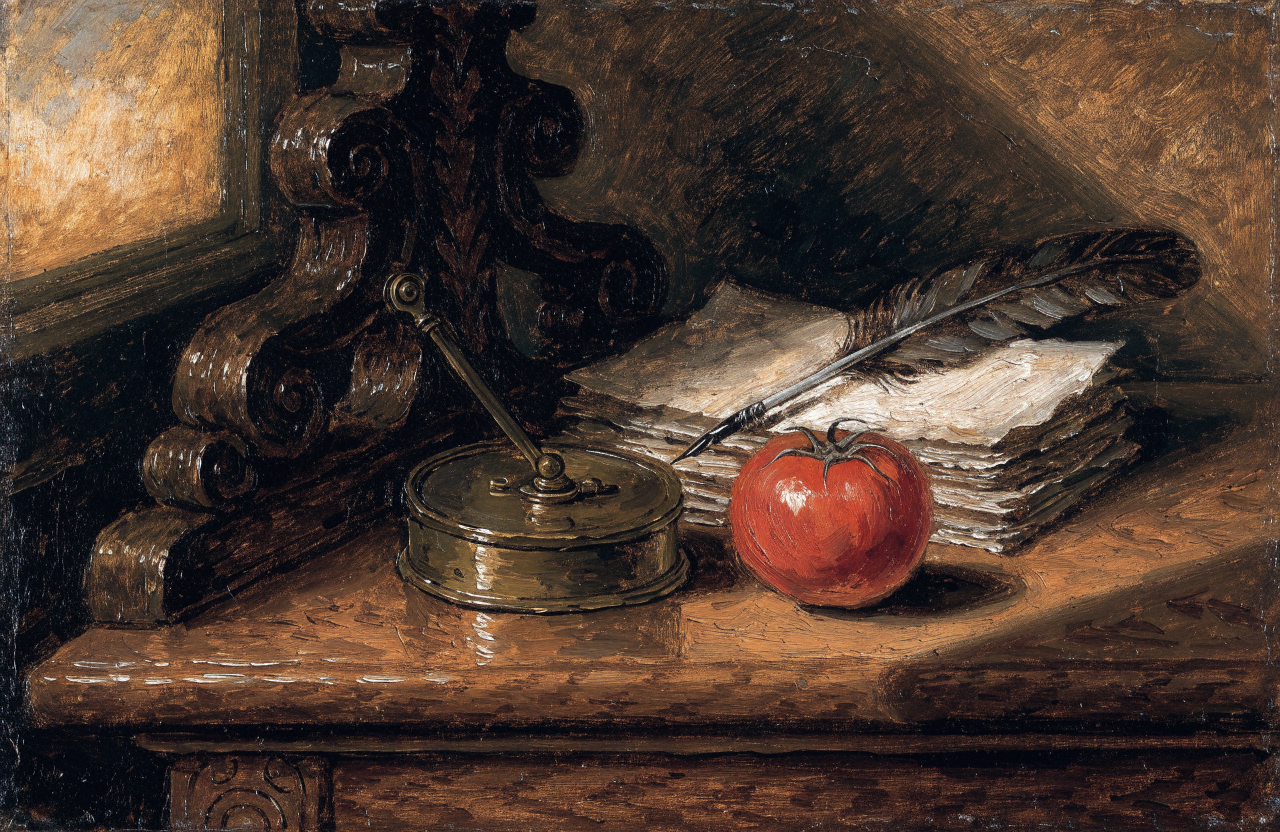
Francesco Cirillo was a university student in the late 1980s, struggling to study, when he grabbed a kitchen timer shaped like a tomato and made himself a deal: work until it rings, then stop. That timer gave the method its name, pomodoro, and the deal turned out to be the important part. Not the tomato, not even the number.
The method, precisely
- 1Pick one task and write it down. One, not a list.
- 2Set a timer for 25 minutes and work on only that task. No inbox, no quick checks.
- 3When it rings, stop, even mid-sentence, and take a break of about five minutes.
- 4After four rounds, take a longer break of fifteen to thirty minutes.
- 5If an interruption arrives, note it on paper and deal with it after the timer, rather than switching now.
That is the whole technique. It is deliberately simple, which is a feature: a system you can restart from memory after two weeks away is worth more than an elaborate one you abandon.
Why it actually works
It externalizes the decision to start
Most procrastination is not a fight about the work, it is a fight about beginning. When you set a timer you are no longer deciding to write the report, you are deciding to sit down for 25 minutes, and the timer takes over from there. The commitment lives outside your head, which is the same logic behind commitment devices generally: you make the choice once, in advance, rather than a hundred times through the afternoon.
It bounds the effort
An open-ended task feels enormous because your brain prices it as unlimited. A 25-minute block is small enough that starting feels cheap, which is exactly the trick behind the two-minute rule scaled up. You are not promising to finish, only to begin, and the tolerable price of entry is what gets you moving.
It limits attention residue
When you flip between tasks, part of your attention stays stuck on the previous one for a while afterward. That lag is attention residue, and it is the quiet reason a day of constant switching feels exhausting while producing little. A pomodoro is a contract to not switch, which means the residue never accumulates in the first place.
It rations willpower
Sustained focus is costly, and the cost shows up as sloppier choices later in the day rather than as obvious tiredness. Scheduled breaks are a hedge against that drift, related to what happens with decision fatigue. You take the break before you need it, which is the only time a break is genuinely restorative.
Why 25 minutes, and does the number matter?
Not much. Twenty-five was what Cirillo's kitchen timer gave him, and it happens to sit in a comfortable range: long enough to get somewhere, short enough that the prospect is not intimidating. Plenty of people work better at fifty minutes with a ten-minute break, and some do better at fifteen when they are ill, anxious, or facing something they dread.
The rule worth keeping is the ratio and the ritual, not the digits. Pick a length you will actually honor, keep it constant for a week so you learn your own rhythm, then adjust once rather than fiddling daily.
The five mistakes that ruin it
- Treating it as a law. If you are two minutes from finishing a thought when the bell rings, finishing the thought is fine. The timer is a scaffold, not a supervisor.
- Skipping breaks because you feel productive. The break is not a reward for working, it is part of the mechanism. Skip it and round three collapses.
- Spending the break on your phone. A feed is stimulating, not restful, and it hands you a fresh set of open loops to carry into the next block.
- Stacking a vague task. 'Work on the project' will drift. 'Draft the second section' will not.
- Counting pomodoros as a score. The point is finished work, not a high number of blocks. A day of three real ones beats eight decorative ones.
When not to use it
Some work punishes interruption. Debugging a subtle problem, writing something structurally difficult, or any task where you spend twenty minutes loading context before you become useful: a bell at minute 25 can throw away the thing you were building toward. If you have reliably entered deep flow and the timer would evict you from it, let the block run long and take a real break at a natural seam instead.
It also fits badly around work you do not control. If you are on call, in back-to-back meetings, or caring for someone who might need you at any moment, a method built on protected blocks will mostly generate guilt. Use shorter blocks, or use it only for the one part of the day that is genuinely yours.
A practical setup that survives contact with a real week
- 1Use a physical timer or a dedicated app rather than your phone's clock, so starting a block does not require unlocking the source of all interruptions.
- 2Keep a single sheet of paper beside you as an interruption dump. Anything that surfaces goes there, not into a browser tab.
- 3Silence notifications for the block length rather than trusting yourself to ignore them.
- 4Decide the first task of the day the night before, so the first block never begins with deliberation.
- 5Plan for three or four good blocks, not ten. Consistency across the week beats one heroic Tuesday.
What to do with the break
This is where most people lose the value they just built. The default is to reach for a feed, which refills your attention with fragments and hands you nothing back. A break works best when it is genuinely different from the work: stand, look out a window, walk to the kettle, stretch.
If you want the break to still feel like input rather than emptiness, one short deliberate thing works better than an open scroll, because it ends. That is the design idea behind MindSnap, our app: a two-minute story lesson from art, history, psychology, philosophy, or economics, one retrieval question, then the session closes rather than serving another. Five flagship story collections plus unlimited topics means there is always something new without an infinite feed underneath. It is not a requirement for pomodoros to work, but it is a better break than the alternative most of us default to, and if you want the deeper version of that swap we walk through it in replacing doomscrolling with learning.
Try it for four days
Do not overhaul your week. Pick tomorrow, pick one task, set 25 minutes, and honor the break. Repeat for four days and notice which part felt hardest: starting, staying, or stopping. That answer tells you what to adjust, and it is more useful than any productivity system you could read about instead.
Frequently asked questions



One snap tomorrow morning.
Two minutes in art, history, psychology, philosophy or economics, then the app tells you you're done.
Get MindSnap on iOSFree daily fact, forever. Pro is $9.99/month or $44.99/year.